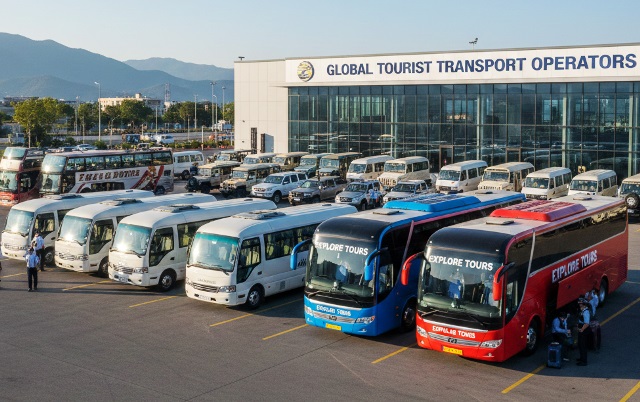
Major Relief for Tourist Transport Operators Across India
New Delhi | In a significant and industry-friendly move, the Government of India has introduced major amendments to the All-India Tourist Vehicles (Permit) Rules, 2023, bringing long-awaited relief to the tourist transport sector. The amendments, notified vide G.S.R. 131(E) on 13 February 2026, are being hailed as progressive, practical, and aligned with the spirit of Ease of Doing Business.
The All India Motor Transport Congress (AIMTC), **Delhi Contract Bus Association their sincere gratitude to the Ministry of Road Transport and Highways, Government of India, for addressing key industry concerns through the AITP Amendment Rules, 2026.
Outcome of Continuous Industry Engagement
The amended rules are the result of sustained efforts and constructive dialogue. Following the draft AITP amendment proposals issued on 12 September 2025, AIMTC and DCBA consistently submitted representations and held multiple consultations with the Ministry, highlighting the practical challenges faced by tourist transport operators. The final notification reflects a far more balanced and workable framework compared to the earlier draft.
Industry stakeholders across India have welcomed the amendments, describing them as a turning point for organised and lawful tourist transport operations.
Key Benefits Under AITP Amendment Rules, 2026
- Extended Vehicle Age Limit
The permissible age of tourist vehicles has been increased from 12 years to 15 years, providing major financial relief to operators and improving asset utilisation. - More Time for Pending Challans
The time limit for payment of pending challans for AITP validity has been extended from 30 days to 45 days. - Relief from Route Upload Requirement
The earlier requirement to upload route details on the vehicle portal 24 hours prior to the trip has been removed. Operators now only need to keep route and trip details in physical or electronic form inside the vehicle. - Relaxation in Home-State Restriction
The maximum period for a tourist vehicle to remain outside its home state has been increased from 45 days to 60 days, strengthening action against illegal operations and misuse. - Strict Action Against Illegal Operations
Clear restrictions have been imposed to prevent tourist vehicles from operating as stage carriages, with stricter enforcement against unlawful practices. - Transparent Permit Conditions
For permit validity, all vehicle documents must be valid and no toll dues should be pending. Permits will be issued only by the state in which the vehicle is registered. - Boost to Ease of Doing Business
The application process has been simplified, and both seating and sleeper capacities have been officially recognised under the rules.
Important Suggestions from the Industry
While welcoming the amendments, AIMTC has respectfully urged the Ministry to consider the following:
- Prospective Application of Rules
The new provisions should apply only to permits issued after the notification date, ensuring that operators who purchased vehicles under earlier rules are not adversely affected—especially regarding Rule 4A(1)(a) related to home-state trip conditions. - Auto De-Blacklisting Mechanism
Once pending challans or toll dues are cleared, vehicles should be automatically de-blacklisted through an updated NIC system, eliminating procedural delays.
Dr. Harish Sabharwal, National President of AIMTC, described the amendments as “a historic and visionary step towards strengthening legal, transparent, and sustainable tourist transport operations in India.” He thanked the Ministry for its receptive approach and reaffirmed AIMTC’s commitment to working closely with the Government in the larger national interest.
The AITP Amendment Rules, 2026 mark a decisive shift towards balanced regulation in the tourist transport sector. By addressing long-standing operational challenges while strengthening compliance, these reforms are expected to enhance transparency, promote lawful operations, and contribute significantly to the growth of India’s tourism and transport ecosystem.