- Ashwini Vaishnaw Directs Issuance of New Wagon Design Policy Within 15 Days
- Union Railway Minister Reviews Reformative Policy Ahead of Wagon Design Policy Launch
- New Policy to Enable Industries to Design Wagons as per Their Requirements
- Strict Standards for Design Approval and Prototype Development to Ensure Highest Quality Wagons in India: Ashwini Vaishnaw
New Delhi. : The Hon’ble Prime Minister has consistently emphasized that a larger share of the country’s freight transportation should be carried through rail, as it is a greener and more energy-efficient mode of transport. With Indian Railways nearing 100 percent electrification, the increase in rail-based freight movement has reduced the country’s dependence on imported diesel and has also promoted environmental sustainability.
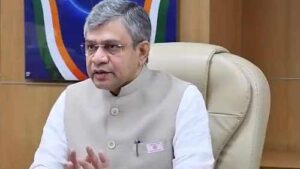
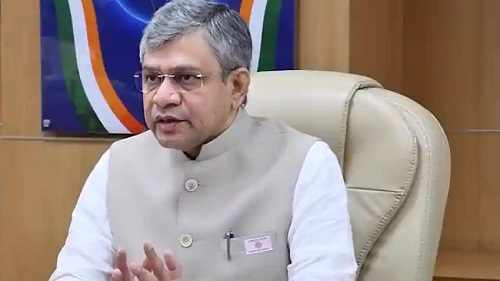
Union Railway Minister Shri Ashwini Vaishnaw held a review meeting today with senior railway officials, where reforms aimed at making Indian Railways the preferred mode of freight transport for various types of commodities were discussed. During the meeting, Minister of State for Railways Shri V. Somanna and Shri Ravneet Singh Bittu, the Director General of RDSO (Research Designs and Standards Organisation), Railway Board Members, and other senior officials were also present.
In this direction, Indian Railways is engaging in extensive consultations with various industries, trade bodies, and major freight customers associated with commodities that have significant potential for rail transportation. During these discussions, industry representatives suggested that if wagon designs are customized according to the specific handling, loading, unloading, and transportation requirements of different commodities, rail transport could be adopted on a much wider scale.
The meeting also highlighted that the success of recently developed specialized wagons for commodities such as cement and salt has demonstrated the importance of designing wagons in accordance with industry operational requirements. Commodity-specific wagons have improved loading, unloading, and transportation efficiency, thereby enhancing the attractiveness of rail logistics.
In this context, Indian Railways has decided to undertake comprehensive reforms in the existing Wagon Design Policy. To provide an industry-friendly framework for the development of specialized wagons tailored to the needs of different commodities, it has been decided to finalize the new Wagon Design Policy within 15 days.
The Union Railway Minister stated that strict standards for design approval and prototype development will ensure the production of the highest quality wagons in India. The Railway Board has also decided to introduce major reforms in the Wagon Design Policy. Under the proposed policy, industries will be allowed to design wagons according to their specific requirements. For instance, transportation of steel coils requires special binding arrangements and dedicated loading and unloading systems, while several other commodities also have their own distinct operational requirements. Under the new framework, industries will be empowered to propose modifications in wagon design as per their needs. The responsibility for ensuring wagon safety will rest with RDSO and the Chief Commissioner of Railway Safety (CCRS). These reforms are expected to enable the entry of several new industries into the railway freight ecosystem.
This reform will promote innovation in wagon development and strengthen the freight transport system of Indian Railways. By providing commodity-specific transport solutions, Indian Railways aims to attract new freight streams, enhance customer convenience, and significantly increase the rail share in the national logistics sector.
By enabling industries to shift a greater volume of freight from road to rail, the new Wagon Design Policy will advance the vision of Green Railways and Green Logistics. Rail transport is approximately 90 percent more environmentally friendly than road transport, and with near-complete electrification of Indian Railways, increased rail-based freight movement will reduce dependence on imported diesel, lower logistics costs, reduce carbon emissions, and make essential goods more affordable for citizens.
The proposed Wagon Design Policy is another important reform by Indian Railways towards building a modern, customer-centric, and innovation-driven freight transport system. It reaffirms the commitment to accelerating economic growth, strengthening environmental sustainability, and the vision of Viksit Bharat.